
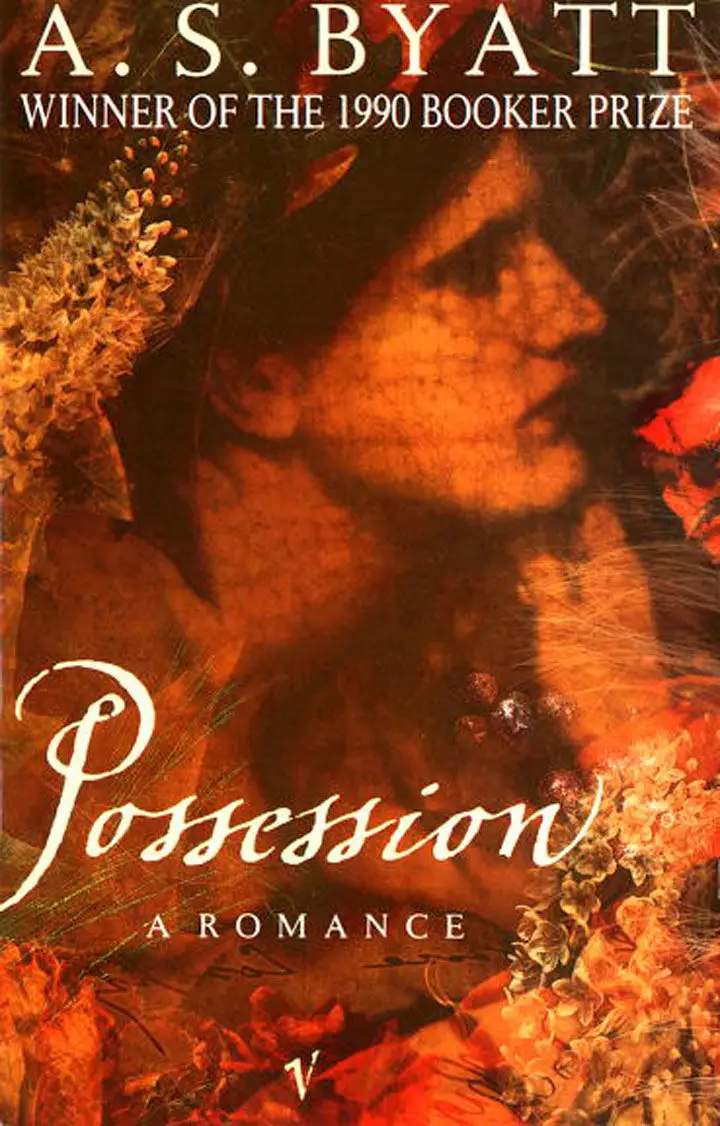

- Title: Possession: A Romance
- Author: A.S. Byatt
- Genre/Subject: Booker Prize Fiction
- Publisher: Vintage
- Publication Date: 1990
- Start date: 3/20/26
- Finish date: 4/2/26
Review:
I loved this book. After reading nothing but Gibbon for the last three months it was a wonderful and uplifting experience to read a novel. But this, was not just any novel. Possession: A Romance, published in 1990, is a multi-layered masterpiece that won the Booker Prize. It is part literary detective story, part academic satire, and part historical romance. And with this one in the completed pile I have read 9 of the 57 Booker Prize winners and continue my quest to get them all checked off.
The Premise
The story follows two modern-day academics, Roland Michell and Maud Bailey, who discover a hidden connection between two (fictional) Victorian poets: Randolph Henry Ash and Christabel LaMotte. Academics yes, but obsessives yes even more! You see this, I mean I have anyway in real life with some tenured academics. The single minded focus
While researching in the London Library, Roland finds draft letters from Ash to an unnamed woman who turns out to be a poet named Christabel LaMotte. He eventually teams up with Maud, a descendant of LaMotte, to track down the truth of a secret love affair that history never recorded.
Key Narrative Strands
The novel moves between two distinct timelines:
- The Modern (1980s): Roland and Maud follow a trail of letters, diaries, and poems across England and France. They must navigate intense academic rivalry, as other scholars are also hunting for the “ultimate” literary find.
- The Victorian (1800s): Through letters and poems written by Byatt herself (mimicking the styles of the era), the reader experiences the actual relationship between Ash and LaMotte—a tragic, intellectually charged romance that defied the social constraints of their time.
Core Themes
- Literary “Possession”: The title refers to the many ways we “possess” things: the way scholars try to own the lives of dead poets, the way lovers possess one another, and the way the past haunts the present.
- Romance vs. Post-Structuralism: The modern scholars are trained to be cold and cynical about “love,” yet they find themselves caught up in a grand, romantic quest that mirrors the poets they study.
- Identity and Gender: The book explores the struggles of Victorian women (like LaMotte) to maintain their independence and creative voice in a patriarchal society.
Style and Structure
Byatt’s writing is incredibly dense and scholarly. The book is famous for including full-length poems, letters, and faux-historical documents that feel authentic to the 19th century. This “meta-fictional” approach is meant allow the reader to play detective alongside the protagonists, but to be honest I found most of the poetry tiresome. Think of Tolkien and the songs printed in Elvish, cute but stupid.
My Conclusions
I felt very literary and well read while reading this. Like many Booker prize winners this was not a page-turner, it’s not supposed to be, but this was a fun read regardless. I can’t give it 5 stars, the long faux historical letters and poems really slowed everything down, but I can certainly see why it deserved to win a Booker and I highly recommend this to anyone who likes an intellectual adventure story.
This book made me want to: Read in a library inside a gothic tower, that may or may not be home to an ancient and terrifying secret.
Overall rating: 
Readability:
Plot:
Other: Thinking that I might name my next cat Maud or Bailey. Bailey I think.